
The steel industry supply chain spans multiple stages — from mining and processing to distribution and export. Traditionally, procurement managers and importers have faced recurring challenges such as price volatility, delayed shipments, and limited visibility into logistics. These inefficiencies add significant cost and risk to projects worldwide.
To address these gaps, the industry is embracing digital technologies. Artificial Intelligence (AI) helps predict demand and optimize procurement cycles. IoT devices now track shipments and warehouse conditions in real time, reducing losses. Meanwhile, blockchain technology is being piloted to secure contracts and provide transparent end-to-end tracking, ensuring product authenticity and compliance across borders.
The benefits are substantial: procurement managers gain predictability and transparency, engineers receive better quality assurance through traceable sourcing, and importers achieve faster, more reliable deliveries. Together, these innovations strengthen trust between suppliers and buyers in an industry known for its complex global trade routes.
Looking ahead, digital platforms, smart contracts, and AI-driven logistics will become the backbone of steel procurement. Companies that invest early in these technologies will reduce costs, comply with global standards, and emerge as preferred suppliers in the international market.
Month: September 2025
Global Demand for Ferroalloys and Their Role in Steel Manufacturing
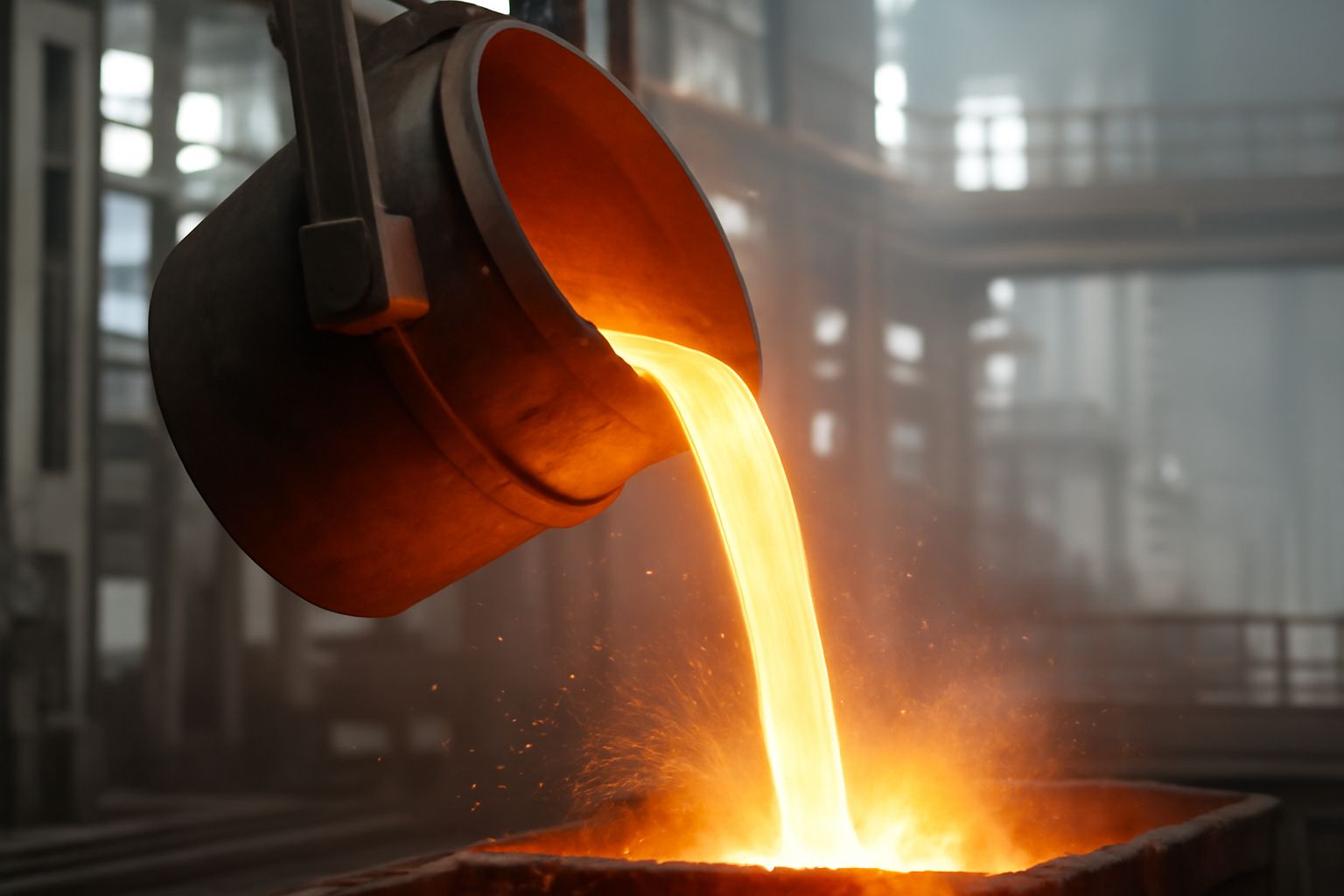
Steel is the backbone of modern infrastructure, and ferroalloys are the essential ingredients that define its strength and performance. Ferrochrome, ferromanganese, and ferrosilicon are widely used in steel production to improve corrosion resistance, toughness, and de-oxidation. As global demand for high-quality steel increases, the need for reliable ferroalloy supply has become a priority for procurement managers and importers.
The ferroalloy market is currently valued at over USD 156 billion and is projected to grow steadily through 2030. Key drivers include rising infrastructure investments in Asia and the Middle East, increasing demand for stainless steel in construction, and the automotive industry’s shift toward lightweight but durable alloys. However, procurement professionals face challenges due to raw material concentration in specific regions, making diversification of sourcing critical for risk management.
From a manufacturing perspective, ferroalloys directly influence steel’s mechanical and chemical properties. For example, ferrochrome enhances corrosion resistance, making it ideal for stainless steel; ferromanganese improves strength and hardness; and ferrosilicon helps in de-oxidation, ensuring cleaner steel production. Engineers rely on the precise mix of these alloys to produce steel suitable for specialized applications ranging from construction to shipbuilding.
For buyers and importers, the outlook is clear: securing long-term, reliable sources of ferroalloys ensures consistent product quality and compliance with international standards. Strategic partnerships with exporters and producers not only reduce supply risks but also offer competitive pricing advantages in volatile markets. As the steel industry evolves, ferroalloys will continue to play a critical role in meeting global demand for stronger, more sustainable steel.